




Nutrition for swelling and joint pain
What about Ketogenic vs Mediterranean Foods
and nutritional effects on swelling?
What the Evidence Actually Says
A ketogenic approach is high in fat, very low in carbohydrates, and moderate in protein.
Meals often include:
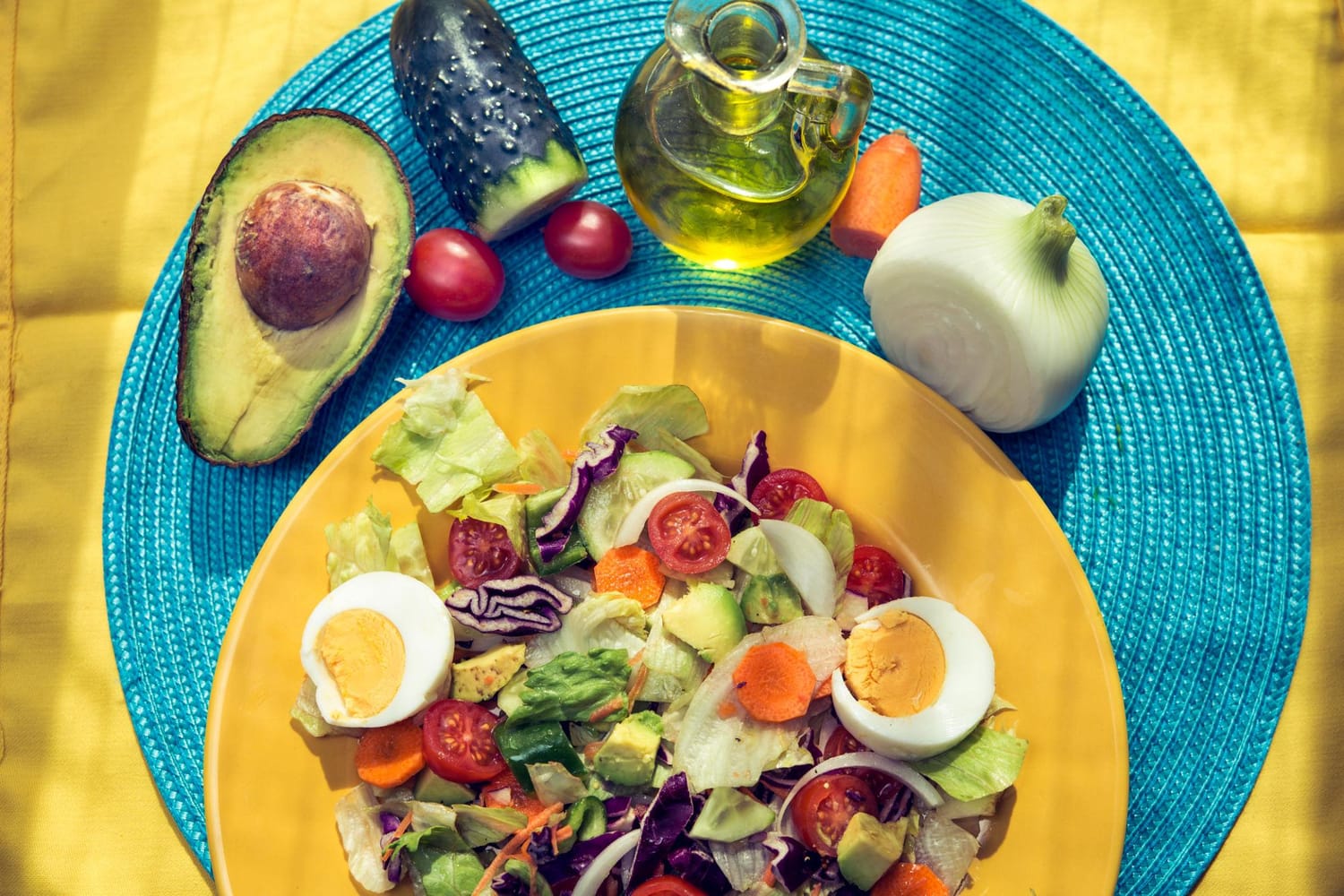
Eggs with cream and olives
Creamy vegetables with avocado dip
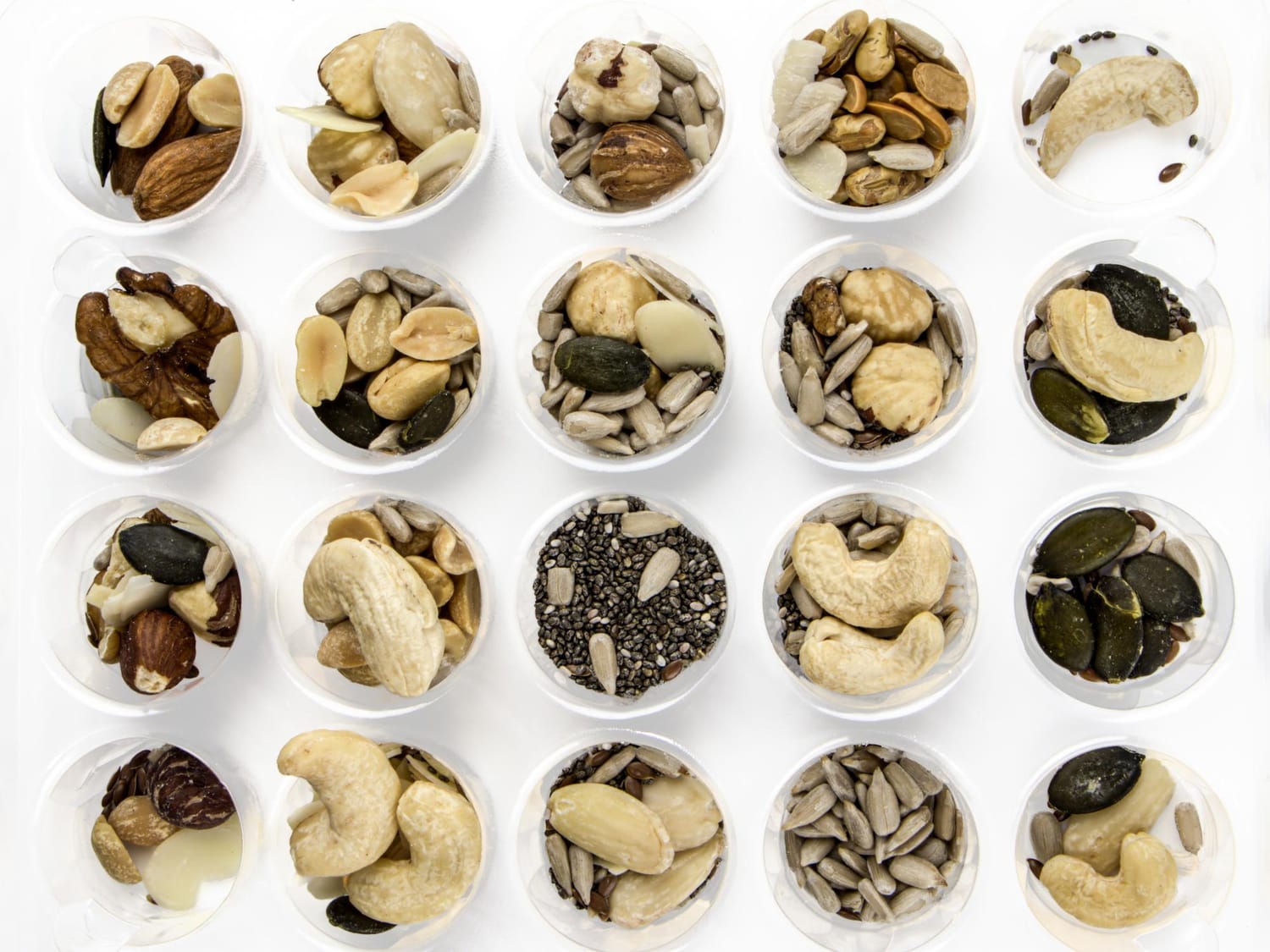
Nuts
Creamy chicken sautéed with vegetables
The goal is to shift the body into ketosis, where fat becomes the primary fuel source.
Mediterranean Foods
The Mediterranean pattern emphasizes:
Plant based foods
Healthy fats like olive oil
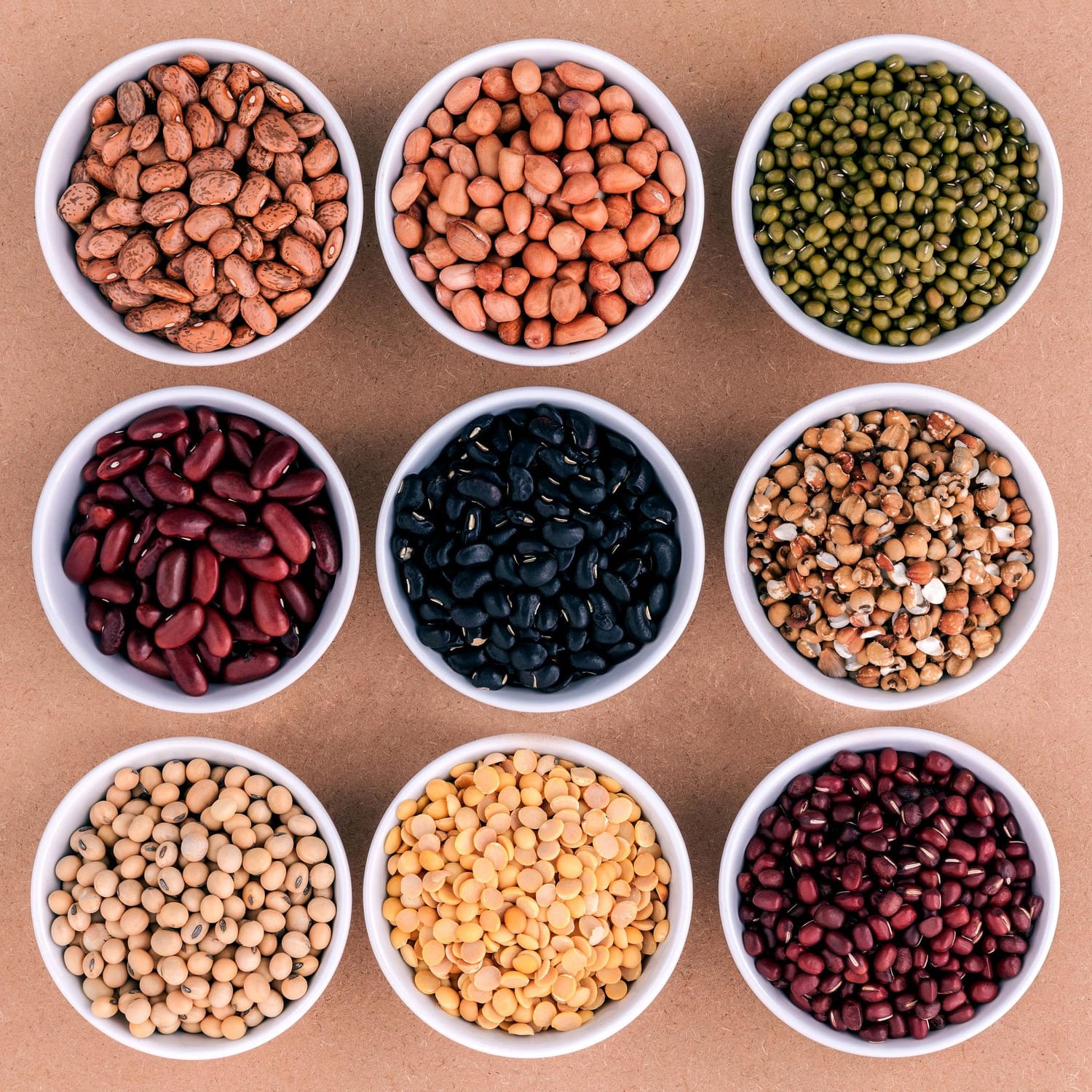
Beans and legumes
Fish
Lean meats
Modest dairy
It is less about restriction and more about overall dietary pattern and food quality.
When it comes to nutrition for inflammation, joint pain, and metabolic health, two patterns tend to dominate the conversation: ketogenic and Mediterranean.
Let’s compare them using best practice and published evidence.
What Does the Research Suggest?
Ketogenic Diet
Some short term studies suggest ketogenic eating may reduce pain, swelling, and improve body composition in women.
But the response rate appears modest. Roughly 28 to 42 percent show measurable improvement. Results also tend to be short lived.
The data overall is:
Short term
Not well standardized
Lacking clear long term guidelines
Sparse
It is promising. But it is not definitive.
Mediterranean Diet
The Mediterranean pattern has stronger and more consistent evidence.
When used for six months or longer, especially alongside a strength and conditioning plan, research suggests it may:
Reduce inflammation
Improve metabolic health
Support sustainable body composition
The key difference is duration and consistency. The evidence strengthens when the pattern is followed long term.
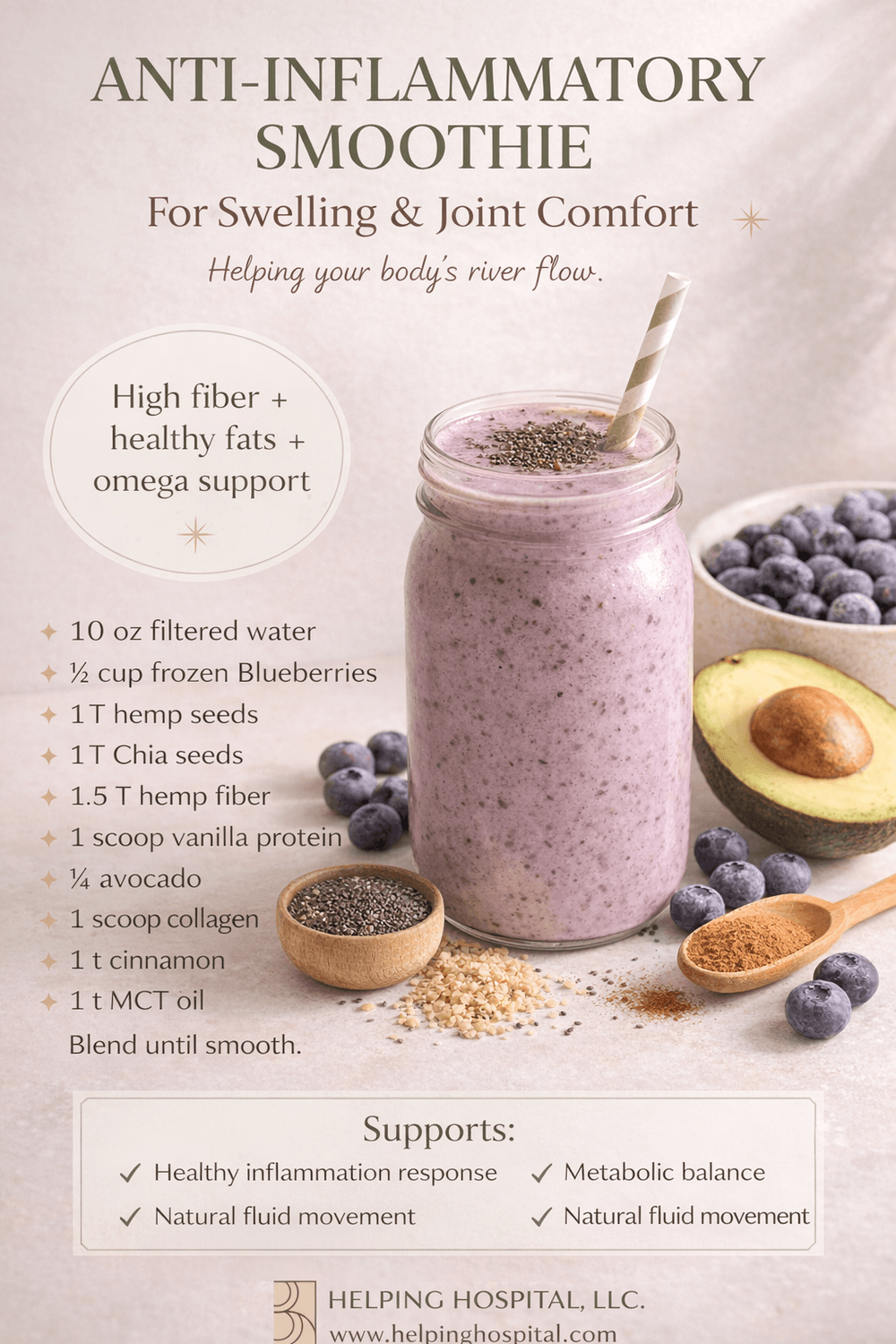
Get my #1 omega packed smoothie recipe here
Omegas are healthy fats your body uses to support cell health, brain function, and a balanced inflammatory response.
Most people need to raise omega-3.
Omegas are very important.
They’re essential: your body can’t make omegas. You must get them from food.
Omega 3 is better than Omega 6.
Key omega-3:
EPA & DHA: found in fish (salmon, sardines, mackerel), algae
ALA: found in plants (walnuts, chia, flax)
Omega 3 are linked to joint comfort, less inflammatory load, and improved health.
Omega 6 are also good, you just don’t need as much. You’re likely getting enough from everyday foods you’re already eating.
Omega 6 are Everywhere.
Chips
Crackers
Cookies
Fast food
Frozen meals
Cooking Oils
Grain fed meats
Salad dressings
Mayo
Coffee creamers
Baked goods
Anything fried
Nuts and seeds
Packaged food
Omega-6 is not bad — we just tend to eat way too much of it. We need to actively seek out omega 3 for the health benefits.
The Omega-6 to Omega-3 Ratio matters.
The data is still evolving. There is no one size fits all plan. And nutrition science, especially around inflammation and lymphatic health, is complex.
What we do know:
Individualization is best practice.
Both diets can help.
Both diets can harm if done incorrectly.
Context matters. Your body, your history, your stress load, your activity level, and your support system all matter.
What Does This Mean For You?
If you are considering changing your food pattern:
Seek education.
Learn how to support your body.
Learn what triggers your symptoms.
Avoid jumping into extremes without guidance.
The goal is not just weight loss or short term symptom relief. The goal is long term metabolic and inflammatory resilience.
Want Help Knowing Where to Start?
How can I help?
Educational content only, not medical advice. All words are my own.
© 2026. All Rights Reserved

Created with ©systeme.io