




3 key connections OT, lymph, Energies
Occupational Therapy
Occupational therapy is a healthcare profession focused on helping people function in their daily lives. It looks at how your body, your habits, and your environment all interact to support or limit what you are able to do.
This includes how you move, how you care for yourself, how you manage symptoms, and how you maintain consistency over time. In this context, occupational therapy is not just about treating a condition. It is about helping you understand what your body is doing and building a plan that works within your real life.
Occupational therapy offers the most practical and functional entry point into this work. It helps translate complex body experiences into meaningful daily support. It gives structure to what you are feeling and helps connect body function, routines, environments, and lived experience into something you can actually use.
In simple terms: OT asks how your body is affecting your daily life, and what practical support will actually help.

Photo by Shifaaz shamoon on Unsplash
The Lymphatic System + Manual Lymph Drainage
The lymphatic system is one of the body’s primary fluid management systems. Unlike the cardiovascular system, it does not have a central pump. Fluid moves based on pressure changes created by breathing, muscle activity, tissue flexibility, and nervous system state.
When these systems are working together, fluid moves efficiently. When they are not, fluid can begin to collect, creating swelling, heaviness, or discomfort. This is why swelling is not simply a fluid problem. It is a pressure and resistance problem, influenced by how your tissues, skin, and daily habits support or limit flow.
Manual lymph drainage is a gentle, hands-on technique used to support this system. It uses light, directional, skin-level touch to encourage fluid to move toward areas where it can drain more effectively. The goal is not to force fluid out of the body, but to reduce resistance so the body can move fluid on its own.
A better way to think about it: swelling improves when the body is supported, not pushed.
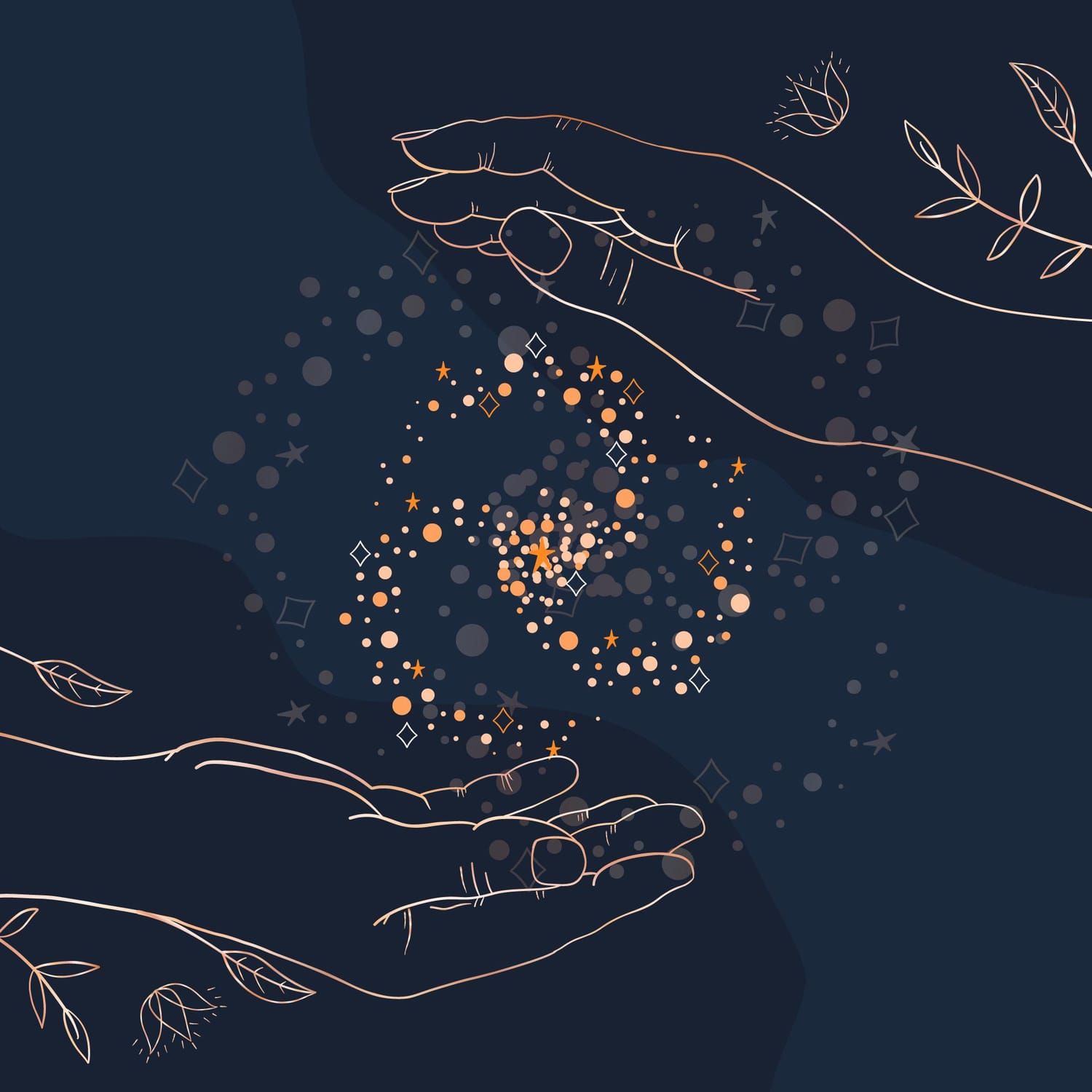
Image by freepik
Energy Awareness Practices Such as Reiki
Energy awareness practices such as Reiki add another layer of understanding. These practices focus on relaxation, attention, and how the body feels from the inside. Reiki is typically practiced through light touch or hands placed just above the body, with the intention of supporting relaxation and internal balance.
While Reiki does not mechanically move lymph fluid, it may influence the conditions that affect how fluid moves. When the body feels grounded and safe, the breath slows, the nervous system shifts, and internal pressure patterns can change. In that state, the body is often better able to regulate, adapt, and allow movement to occur more naturally.
What people often describe as “energy” can often be understood as changes in sensation, awareness, and system coordination. This is where perception, regulation, and body awareness begin to overlap in a meaningful way.
Want to go deeper into Reiki?
Read the Reiki blog
Photo by Margaret Kester on Unsplash
How can I help?
Educational content only, not medical advice. All words are my own.
© 2026. All Rights Reserved

Created with ©systeme.io